
Keywords: Laser Hair Removal in Songdo, Laser Hair Removal, Alexandrite Laser, Diode Laser, Laser Hair Removal Side Effects |
At Songdo Human Dermatology, patients ask us about hair removal on a regular basis. Once you understand how laser hair removal works, it is much easier to see why several sessions are needed and what types of hair respond best.
How Does Laser Hair Removal Work?
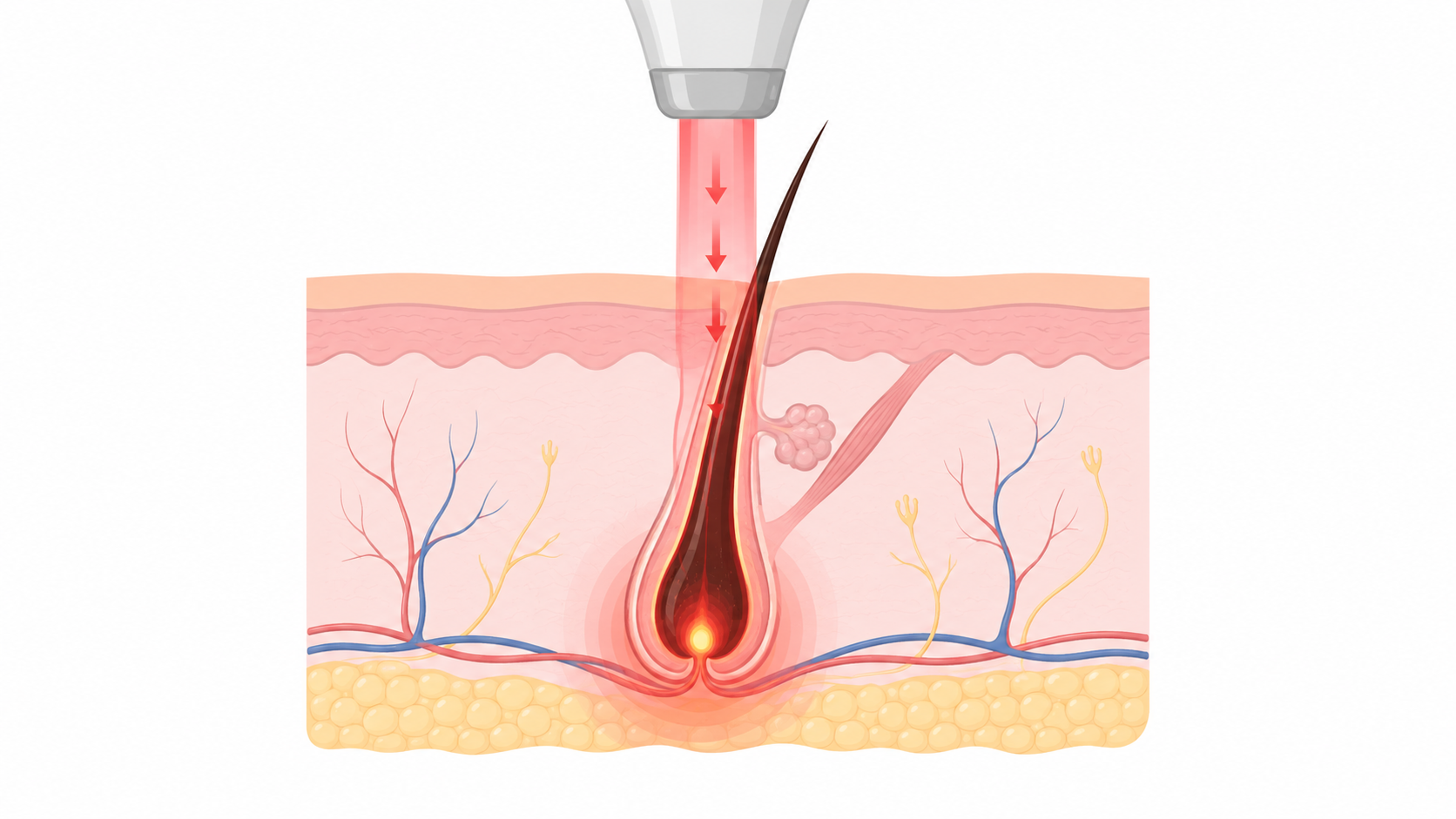
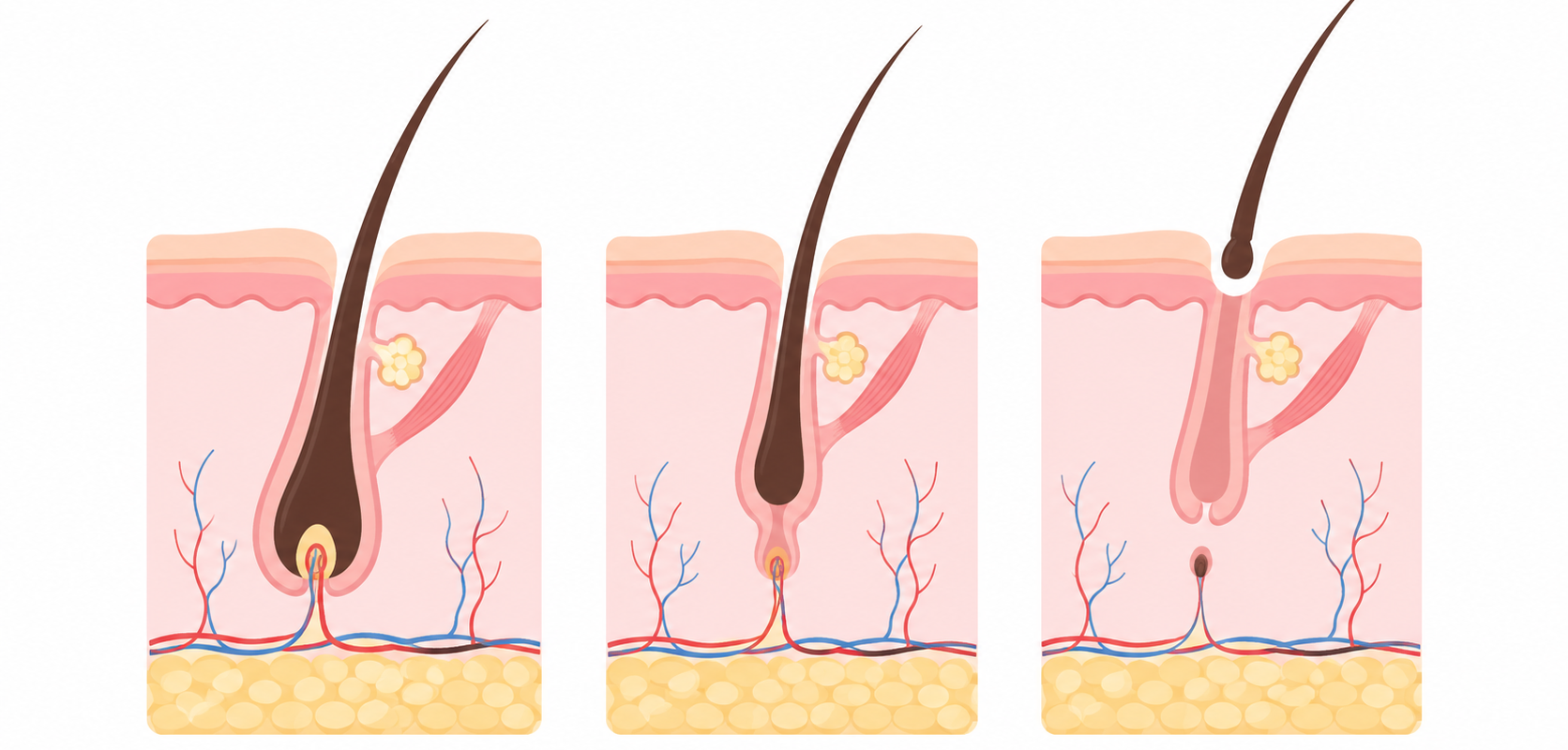
Laser hair removal relies on selective photothermolysis (using light energy to heat and destroy one specific target while sparing the surrounding skin). The laser light is absorbed by melanin, the pigment that gives hair its color, and is converted into heat that damages the hair follicle (the structure in the skin from which each hair grows). This suppresses new hair growth. Hair grows in cycles (growth, transition, and resting phases), so not every hair responds to a single treatment. That is why sessions are repeated a few weeks apart, typically over 3 to 6 months depending on the area.
What Types of Hair Respond Best?
Because the laser targets melanin, coarse, dark hair responds best, while white or blond hair with little pigment responds poorly. The greater the color contrast between the skin and the hair, the better the response. In patients with darker skin tones, melanin in the epidermis (the outer layer of the skin) also absorbs the laser light, which raises the risk of burns or pigment changes. To treat these skin tones more safely, we use a device that is less affected by surface pigment, such as the longer-wavelength Nd:YAG (1064 nm) laser.
Treatment Options and What to Expect
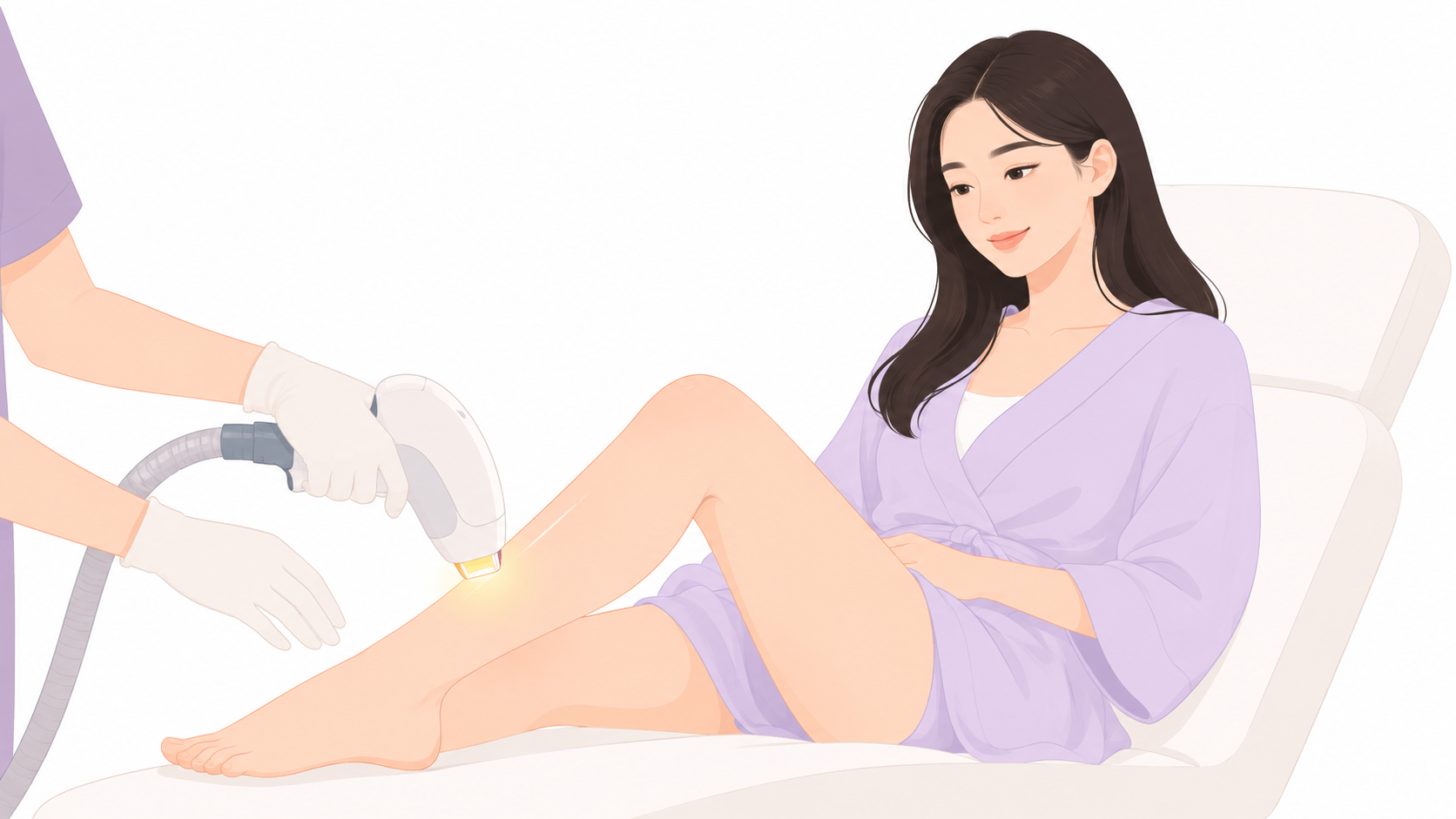
The main options are alexandrite (755 nm), diode (810 nm), and Nd:YAG (1064 nm) lasers, along with IPL (intense pulsed light, a broad-spectrum light source). Before treatment, the area is shaved so the hair is at skin level. Waxing or plucking removes the hair root — the laser's target — and makes the treatment less effective, so these methods should be avoided. Multiple sessions are needed, and even after long-term hair reduction, maintenance treatments may still be necessary. Before and after each session, strict sun protection helps prevent pigment changes.
Side Effects and Precautions
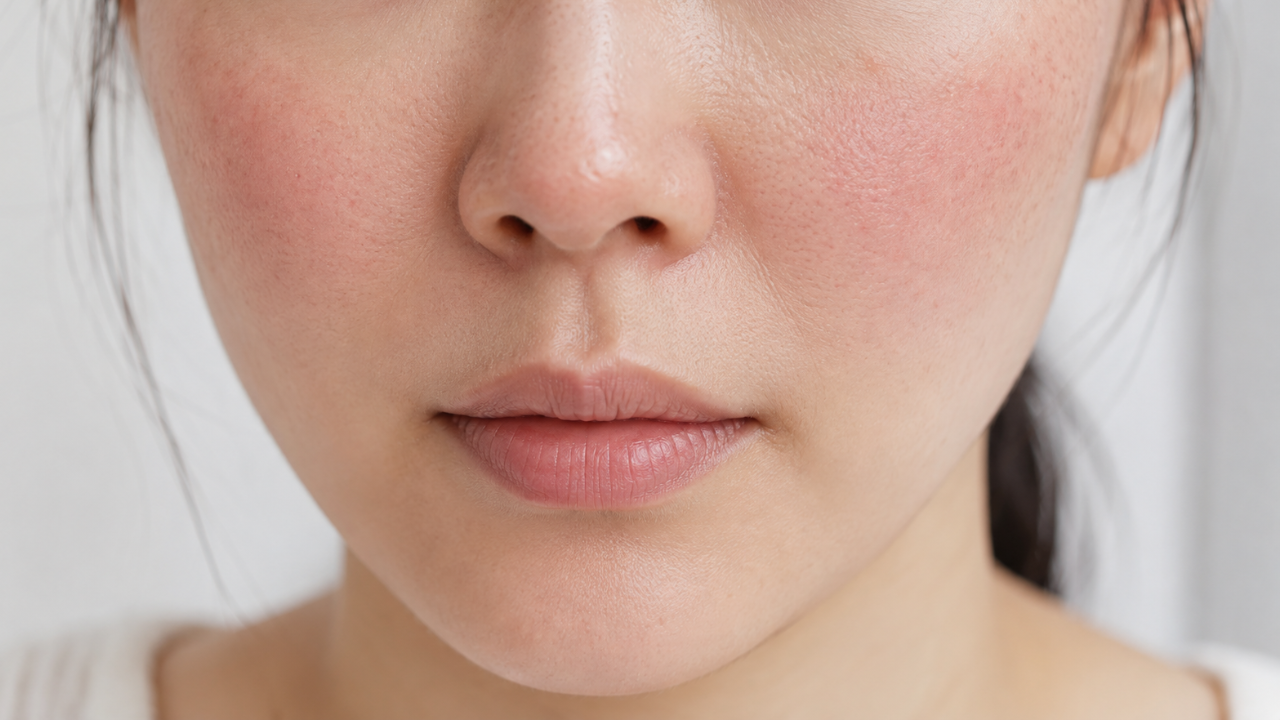
Laser hair removal is generally safe. Afterward, redness (erythema) and mild swelling around the follicles are common but usually resolve on their own. Rarely, pigment changes, folliculitis (inflammation of the hair follicles), reactivation of herpes simplex, or paradoxical hypertrichosis (an unexpected increase in hair growth around the treated area) can occur. The risk is lower when an experienced provider uses the right device and settings. In addition, if hair growth is excessive and a hormonal cause is suspected, an evaluation for an underlying condition may be needed — another reason to see a dermatologist first.

Frequently Asked Questions
Q. Is laser hair removal permanent?
A. It is more accurate to think of it as long-term hair reduction rather than complete permanent removal. Even after hair is greatly reduced, some hair can grow back, so maintenance treatments may be needed. Results vary from person to person, so an in-person evaluation is the best way to know what to expect.
Q. Why do I need multiple sessions?
A. Hair grows in cycles, so not every hair responds to the laser at once. Sessions are repeated a few weeks apart, typically over 3 to 6 months depending on the area.
Q. What about white hair or darker skin tones?
A. The laser targets the pigment (melanin) in hair, so white or blond hair responds poorly. To treat darker skin tones more safely, we use a device that is less affected by surface pigment, such as the longer-wavelength Nd:YAG laser.
If you are considering laser hair removal in Songdo, schedule a consultation so we can assess your hair and skin. From there, we can decide together which device to use and how many sessions to plan for your treatment area.
This content is general information about laser hair removal provided at Songdo Human Dermatology. Diagnosis and treatment are determined during an in-person examination, based on each patient's individual condition.